
TOKYO HIGH DENTAL CLINIC
Bone Graft Implants
In brief
Bone graft implants place the implant after grafting your own or artificial bone when the jawbone is insufficient.
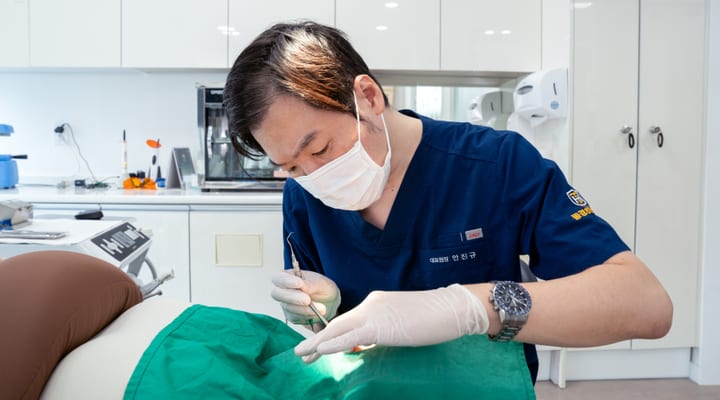
Implant diagnosis uses a 3D high-resolution CT (VATECH), and the plan is made by Dr. Ahn Jin-gyu — a specialist in integrated dentistry with a Ph.D. in orthodontics — taking the remaining teeth and the bite into account.
A highly advanced procedure placing the implant immediately
This is a method of placing the implant right after extracting the tooth,
which differs from conventional implant treatment.
Bone grafting

Thin, resorbed bone
The jawbone has been lost and a bone graft is needed

Bone graft performed
Part of your own bone is grafted, or artificial bone is placed
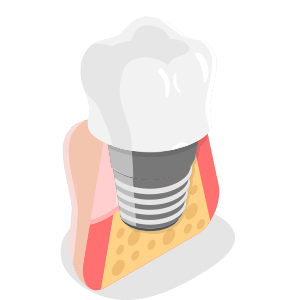
Implant placement
The implant is placed once the bone has hardened
We recommend this for the following

Cases where almost no gum remains
where the tooth is missingCases where long-term denture use
has left the gums thin and low
Cases where chronic periodontal disease has collapsed the gums
so far that the tooth roots showCases diagnosed as difficult for implants
because of poor jawbone
Frequently Asked Questions
How long does implant treatment take?
It depends on the condition of the bone, but generally the final prosthesis is fitted after a two to three month osseointegration period following placement.
Is implant surgery painful?
It is performed under local anesthesia, so there is almost no pain during surgery, though there may be slight discomfort afterwards.
How many years can an implant be used?
It depends on individual oral care, but generally it can be used for more than ten years. With good care it may last a lifetime.
This treatment information was reviewed by our dental team on 2026-07-29.